Concluding this adventure, the pleasure I derived from delving into these prompts, embodying the spirit of renowned landscape photographers, was profound. This experimental prompt project allowed me to traverse through the creative spectrums of these icons, embracing their unique perspectives and styles, thereby opening new windows in my visual storytelling.


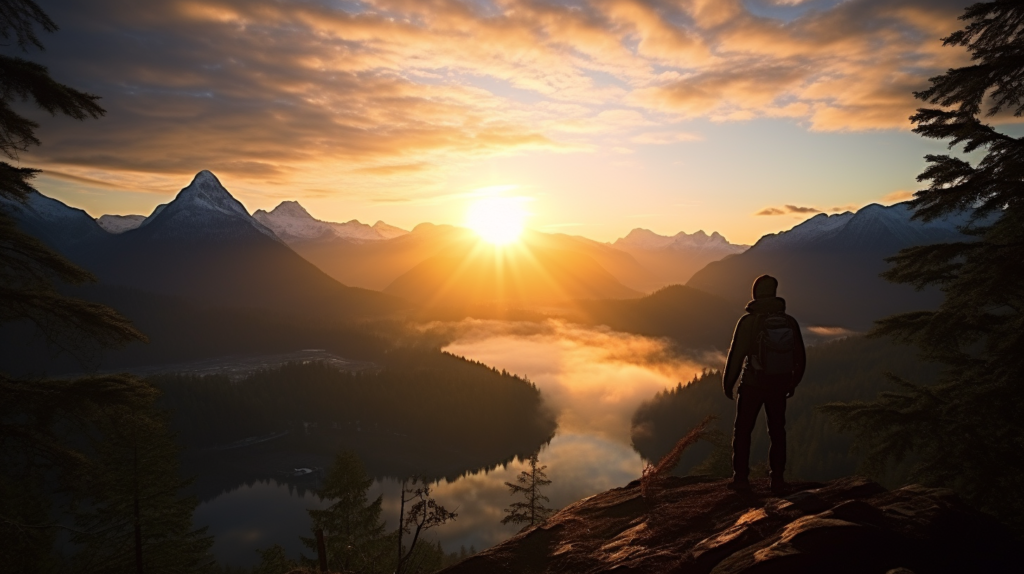

By soaking in the craft of figures like Adams, Porter, O’Sullivan, and Godwin, I unearthed the impactful dynamics of angles, light, and composition in narrating an image. At the same time, the vivacious energy of Waite and Rowell’s works fostered a novel exploration into the interplay of color and light.
Prompts used
“Channel the raw, elemental power of Ansel Adams’ work. Capture a dynamic interplay of light and shadow using your camera film. Frame a breathtaking mountain vista or forest expanse in a horizontal shot. Compose with a low angle for a monumental perspective. –ar 16:9”
“Capture the ethereal charm of Eliot Porter’s intimate landscapes. Seek out the subtle beauty in close-up elements of nature, emphasizing vibrant colors on your camera film. Try a detail shot of flora or fauna. Experiment with a high angle to reveal unique textures. –ar 16:9”
“Invoke the pioneering spirit of Timothy O’Sullivan. Use your camera film to create a sense of vast, untouched wilderness. Aim for a wide shot of a desert or canyon. A straight-on angle could enhance the unending expanse. –ar 16:9”
“Reflect the nuanced vision of Fay Godwin. Use black and white film to emphasize the rugged beauty of your landscape. A full shot capturing the contrast between land and sky could be striking. A low-angle shot can add drama. –ar 16:9”
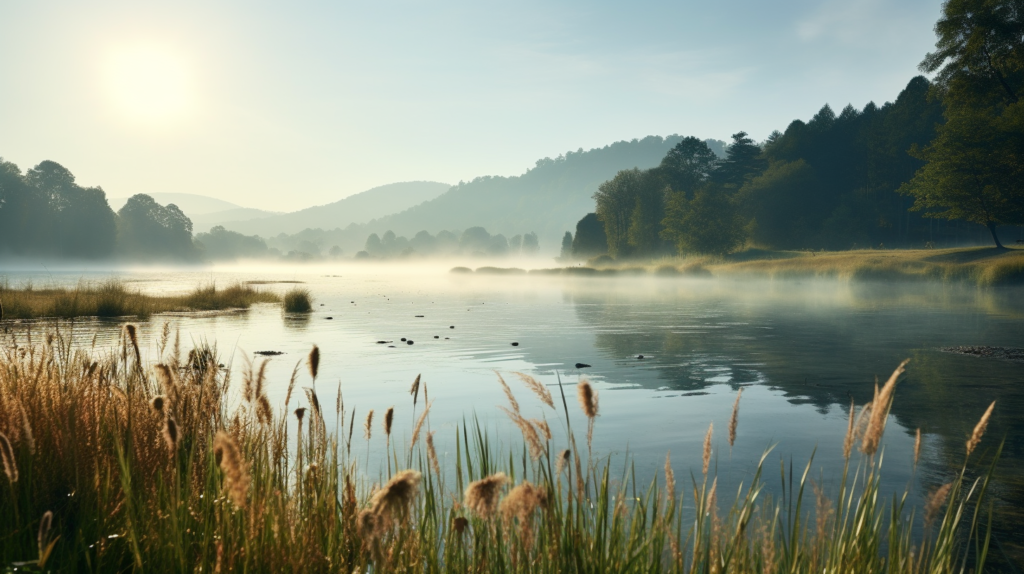
“Evoke the tranquil complexity of Charlie Waite’s compositions. Use your camera film to blend natural light and color harmoniously. A medium shot of a serene lake or field would work well. Use a straight-on angle for balance. –ar 16:9”
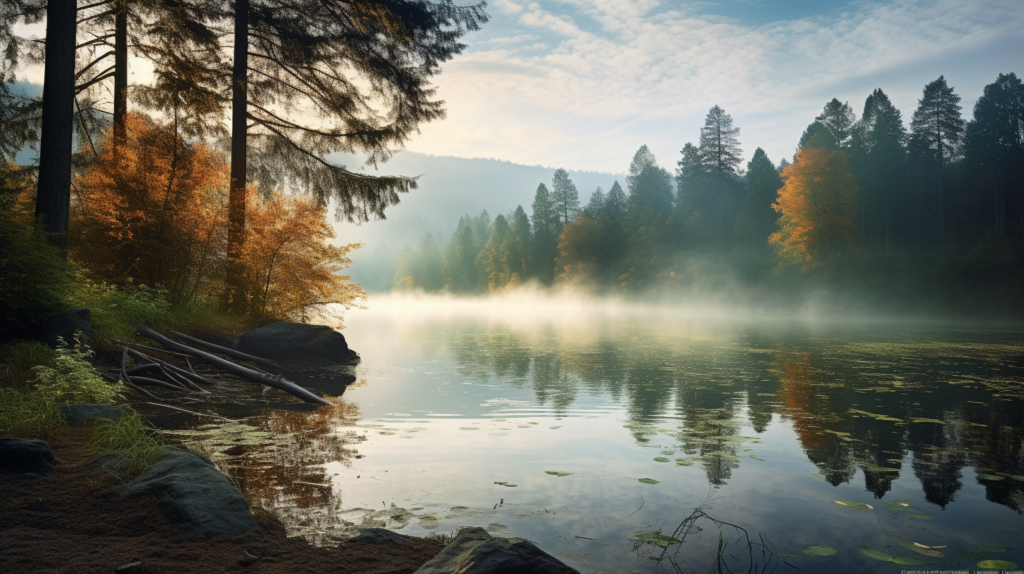
“Channel Galen Rowell’s adventurous spirit. Use your camera film to capture a stunning landscape, awash with the first or last light of the day. Frame a panoramic shot with a sunrise or sunset. A high-angle shot might add an expansive view. –ar 16:9”
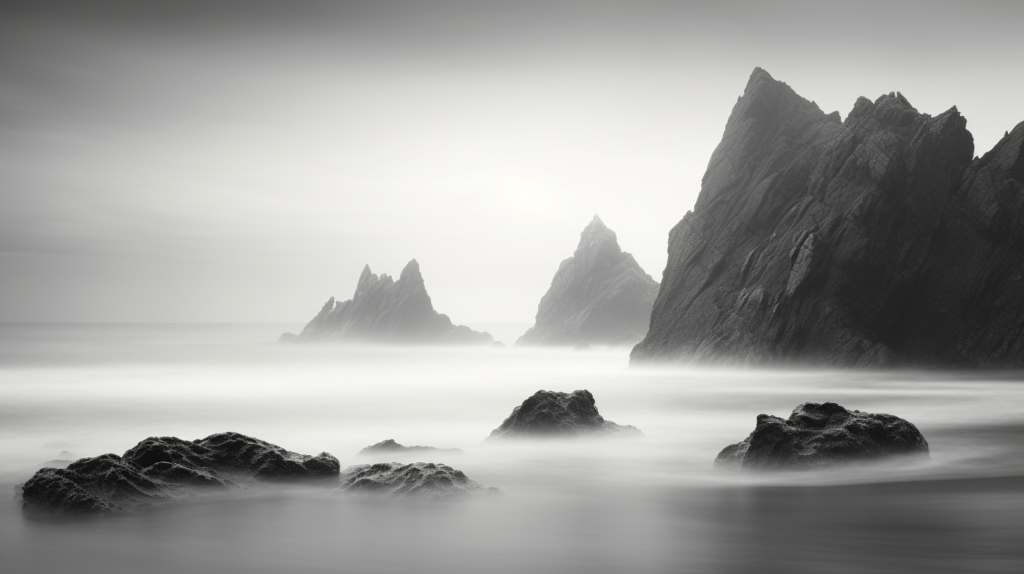
“Reflect the rhythmic beauty found in Michael Kenna’s work. Use black and white film for minimalist landscapes, focusing on form and line. Compose a long-exposure shot of a coastal scene or lone tree. A low angle can add a sense of solitude. –ar 16:9”
“Emulate the spectral quality of Hiroshi Sugimoto’s seascapes. Use long-exposure on your camera film to blur the boundary between sea and sky. A wide shot capturing this eternal dialogue would be ideal. Try a straight-on angle for symmetry. –ar 16:9”
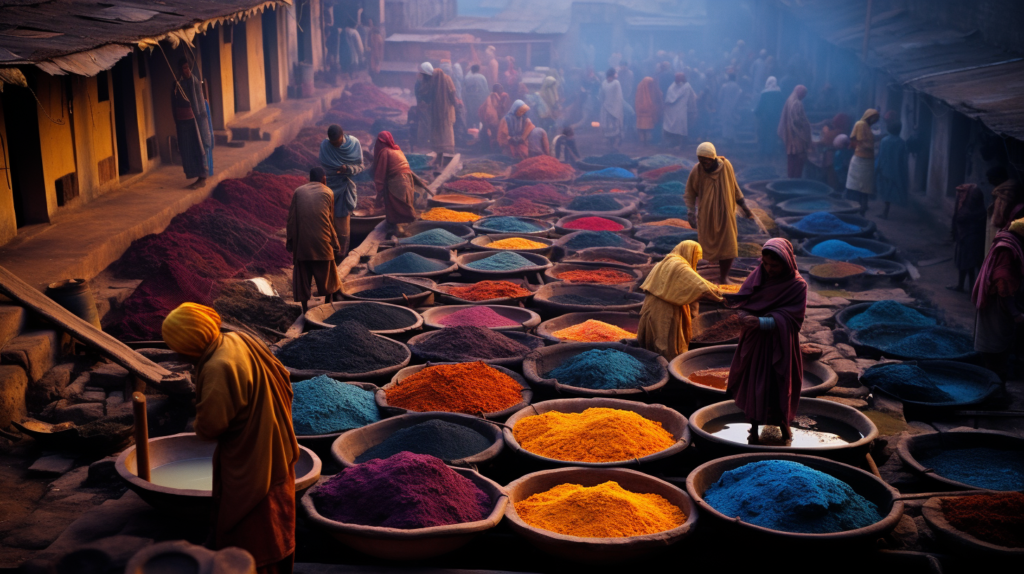
“Echo the vibrant energy in Steve McCurry’s landscapes. Use your camera film to bring out saturated hues in your surroundings. A medium shot of a bustling local market or colorful cityscape could be fascinating. Use a high angle to capture the depth of the scene. –ar 16:9”
“In the vein of Sebastião Salgado, use black and white film to convey the raw emotion of natural and human landscapes. A close-up shot of the interaction between man and environment can be poignant. A straight-on angle will ensure the subject retains focus. –ar 16:9”
Far from being a mere replication exercise, this experimental prompt project was a profound immersion into each photographer’s artistic ethos. The journey of interpreting their iconic styles through my lens has been as enlightening as it was exhilarating. It spurred an influx of creativity in my work, while deepening my understanding and appreciation of landscape photography. The sheer joy derived from this exploration underscores my belief in the transformative power of photography and reaffirms my resolution to keep treading this path of discovery and innovation.